It’s been over two calendar months since I last posted, and 11 months since I started this project. The time has come to put a more permanent pause on this journal.
I began to really get on my own case over my lack of posting lately, and for the handful of people that subscribe to this blog I feel as if a brief update is owed. For the people that have randomly come across this blog to help them through their own journey, or understand a loved one going through it, I hope that this epilogue is the last post you’re reading and the year is 2030– that means I’ve been cured and there has been nothing notable to report in the meantime!
A quick list of health updates:
I still see BH every 3-4 weeks. Understanding the connective tissue that remains between my old life, my experience with cancer, and my new life has been important to moving forward emotionally. I recommend it.
I’m seeing cognitive therapy about once a week and physical rehab three times per week. Cognitive function is a hard thing to measure if you don’t have a baseline, but I think on the whole it’s a net positive. At the very least it’s another person involved in monitoring my recovery. Strength training has benefited me greatly at physical rehab; I’m back in the 170s and am hoping for 180s by the time I reach my one year post-treatment mark in May.
My second quarterly PET went without issue in early December. The ENT got a little worked up over some blurriness in the areas of greatest concern, but it was chalked up to a swallow or something at the moment the scan was taken. My lymph nodes continue to shrink and my throat continues to show improved tissue quality.
My fatigue and stamina has improved a lot, but I’m still not my old self. It’s a work in progress but I’ve become a little less dependent on coffee. I think that’s going to be the longest of long-term recovery projects, if other experiences I’ve read on the internet are any indication.
Saliva is improving at a glacial pace, but it is improving, right alongside my taste buds returning. Spicy is the last hold out, but I’ve made significant progress on that front in large part due to Sarah’s insistence that I continually try new things.
I got sick for the first time this week! A common cold! I’m really proud of how well my body and mind handled it. I wasn’t a complete vegetable and even managed to function as a normal person with the assistance of some off-brand cold meds and honey. My sleep suffered, but I’m hoping it returns to normal soon.
============
I’m not going to provide any work, parenting, or relationship updates. Those are wholly subsidiaries of my life going forward and largely independent of my recovery (with occasional exceptions). But safe to say I’m marching in the correct direction (at the time of this publishing) on all three fronts.
============
If you’re reading this because you were just diagnosed, undergoing treatment, or just looking for corroboration or validation of some of the things you are feeling in your own cancer journey, my sincerest condolences and prayers go out to you and your loved ones.
It sucks.
It’s hard.
It’s going to challenge you in ways you never imagined.
It’s going to change you forever.
It’s ok to have some hope, trust God, and listen to your doctors. Some people fare better than me– in fact I’m sure many do. No one person handles it exactly the same as the next; no matter what you are feeling: it’s ok to feel that way.
I once quoted The Martian “I’m not going to die here” in my announcement of my diagnosis to my friends and family, so this feels like the appropriate bookend to end this with.
-CPT Cancer, 4 JAN 2026
The views and opinions presented herein are those of the author and do not necessarily represent the views of the Department of Defense or the U.S. Army.
(Author’s Note: This was written over the course of several days so there may be some inconsistencies with present tense)
NED
Hi sports fans, it’s been a little bit but I’ve been thinking about this entry daily since I pressed “publish” on the last one.
I’m going to bury the lede here a little bit because we have a lot to go through, but if you’ve been on a ride at Cancerworld you know this is an overall good update based on the title.
It’s been almost a month since my last update. I was dealing with some big feelings and preparing for the next week and the ominous first post-treatment PET scan. Life has improved a bit since then on most fronts, so forgive me while most of this is going to be in the past tense covering the month of August to this point and then wrapping up with a look toward the future. These entries aren’t going to stop; I’ve made a commitment to see this through to its natural end: either being declared “cured” in five years or my untimely death from a recurrence. Ideally the former, but, god has seen fit to continue my character development side-quests with regularity so you never know. I feel like I owe to someone that will read this in the future that just got their diagnosis and needs perspective on the complete journey.
I’m not going to belabor the PET scan’s finer points that I’ve covered in depth earlier in this tale, but at least this time I had the benefit of experience. The fasting wasn’t so bad this time around because I knew what to expect and game planned a little better, and my dad was on the ground to help me manage my energy levels by doing grandpa shit with my kids over the course of the first week of August which was a tremendous help. The first week of this month was probably the most consequential of my recovery phase in terms of discovering what my current condition actually was.
While I was slightly bummed I had to retain my chest port, it really does make all these post-treatment medical happenings a breeze. Anytime a doctor, nurse, or medical treatment facility wants to sink a line in me I don’t have to worry about PFC Fuckknuckles or 2LT Lastinnursecollege hunting for a vein in my arm like they’re chucking spears at a mouse. Just by saying, “I’d like you to access my port,” I unlock the VIP nurse treatment. I’ll be somewhat sad when I have to get rid of it next year and have to rejoin the commoners at playing blood-draw roulette in the Army hospital lab department.
I say all this because at the PET I had the radioactive serum injected right into my chest instead of the redwood gauge needle they used last time in my arm. I tell ya, the Army should look at just giving everyone a chest port while serving- it really does save time and heartache when it comes to draws, injections, and IVs.
Within a couple days the results were read by radiology and relayed to me from a nurse at my MedOnc’s office: No Evidence of Active Disease (NED in cancer shorthand). I was officially in remission. Hell yeah brother, cheers from recovery. I still had to see my RadOnc at the cancer center the next day, and the ENT a few days after that, but I didn’t have any reason to believe they’d dispute those findings even though they’d still want to each scope me just to take a look for themselves (ostensibly to train the residents).
That’s the extent of the latest formal medical news. There was no grand bell-ringing like there is after the final treatment. No congratulations, no handshakes: just a phone call from a nurse telling you the good news. My reaction was that I had no reaction. Imagine a person dryly saying, “neat,” with a straight face and no emotion and that’s basically the space where I was and largely still am. This will follow me around like a shadow for the rest of my life. I’ll get excited over getting small parts of the old me back, but overall it’s hard to get too worked up when my own body is a haunted mansion that I’m stuck inside for the next 35ish years.
============
There have been tiny victories, though, shades of my old self trying to break through the fog of recovery. My taste buds and saliva/mucus glands are lagging a little bit behind where they should be, which has negative effects on my mood and appetite, but they have their moments. I was finally prescribed something for drymouth but haven’t started it yet because I wanted to see how it would impact me once the kids go back to school vs. managing new and exciting side effects while still having to solo parent them. We’ll see next week, I guess. Maybe it’s a game changer that accelerates recovery or maybe it’s another ineffective medication in a long sad line of ineffective medications during this gong show. I’m not betting the farm in either direction.
What’s even more exciting, to me, though, might seem wholly insignificant to most of the people reading this: my medical team and leadership kept their word and kept the Army out of my business. My new career manager called me this morning asking me my thoughts on a career move I was supposed to make last year but opted to push to the right so I could complete the first year of the journey where I am now. He was looking at my file and saw no flags, and no administrative or medical markers that indicated I couldn’t move or be moved. This is exciting for a couple reasons: One, if you spend too much time being flagged (marked as non-deployable or otherwise generally invalid) for medical reasons this will trigger what is called a medical separation board: where the Army brings together the best and brightest bureaucrats to determine if you are fit to continue serving. This is a perilous and stressful process if you absolutely do not want to get kicked out of the Army, which I don’t. No matter my misgivings with how things are and have been transpiring in the world since we lost Harambe, I still believe the republic is durable and the Army it’s most durable institution- one worth serving no matter how much I bitch to the contrary. I’d like to stay for the long haul, or at least until I secure a pension so I can live out my days being the yeoman farmer that Jefferson always wanted us to be. My doctors did me a solid by filing the paperwork into the medical records system, but making sure the administrative system wasn’t the wiser by not officially limiting my medical readiness (however they were, and remain, prepared to do this if my leadership ever showed a hint of interfering).
The second reason, and perhaps more importantly, my leadership actually put the “people first” mantra into practice. I was told, “Do not come back until you are healed/ready” and contrary to the normal pessimistic view many in the Army have by saying “mission firster,” no one pressured me to return or even check whatever administrative block I’d become delinquent on during my absence. No one flagged me or demanded I submit to some sort of archaic accountability procedure by shoving me into a recovery unit. If you’re a leader, take note: Your people have four to 20ish years in the Army, but they need that body until they die- act accordingly.
My leadership elected to forgo a body in the shop and instead saw that sacrifice in an investment: “we can have a healthy person back who can contribute in some kind of way later, or we can get a broken and possibly disgruntled person now.” You’d be shocked at how many leaders get this dilemma wrong… mine didn’t. I’m grateful there are still these kinds of people leading other humans in the Army.
============
The real MVPs this month were my friends and family that stepped up to help me out. When I was on my own in the time between when my mom left and the kids got here, it was pretty easy to live on this plane of reality. Sure, I had appointments, body maintenance and tasks, but largely when you’re only responsible for yourself and your body just wants to sleep all the time it’s not difficult to survive. Boring, unfulfilling, but if your only task is to heal that’s pretty much life.
Inject two small humans into the mix that depend on you to survive and that changes the calculus. My three year old son is Terminator: he cannot be bargained with, he cannot be reasoned with, and he will not stop… ever. I’m half-joking of course, but anyone with an active three year old boy knows it’s a struggle for one healthy adult to supervise him let alone adding his eight year old sister to the mix. They are the absolute light of my life, but they suck energy like a black hole. My parents, aunt and uncle, and friends deserve a lot of the credit and praise for my recovery up to this point. Without them I’d be even more of a shell of myself.
============
The Long Game
So I’m in remission, what now? Welp, now we wait. There’s nothing I can “do” besides not do things that might exacerbate a recurrence or slow down recovery, like smoke (I haven’t smoked anything more than a cigar per year in years) or drink (I was sober-adjacent before cancer and even more so now). I still can’t “overdo it,” whatever the fuck that means anymore, but I’m supposed to be in some kind of semi-recovery state through May. If I’m not around 90% my old self by then apparently…something happens? I’m not sure, I’ve not broached the “what then?” with my medical team. After the first year my only (medical) objective is to survive without a recurrence for four additional years. Neat. That definitely won’t loom over me.
My remission isn’t the only long game in my life however. My career, co-parenting, and financial goals are all in “long game” status. Very few things in my life shoot dopamine into my life. The instant gratification of some big non-cancer milestone just doesn’t exist right now. Now that I’m returning to work I’m going to take a crack at getting back on the ice weekly, but at a higher-level scrimmage where I’ll probably feel like an old giraffe on ice the first few skates. Hunting? Sure, but I’m pretty sure my last name is an old German word for, “can only find animals out of season.” So while there are tons of other benefits to those two loves of mine, neither is poised to give me a big “W” anytime soon. That’s ok, I guess, but the test on my patience and discipline is constant. At least I can drink coffee again. I’ll take a small W in lieu of a larger one for now.
I have a lot more that I want to say, and have been thinking about, as I begin to start seeing my treatment and recovery phase more and more distantly, but I think I’ll push this update out and let those ideas marinate a little while longer.
The views and opinions presented herein are those of the author and do not necessarily represent the views of the Department of Defense or the U.S. Army.
There is an old saying: “That which doesn’t kill you makes you stronger.” I don’t believe that. I think the things that try to kill you make you angry and sad.
-Jax Teller, Sons of Anarchy
I’ve been thinking about this quote a lot lately. When it was on, I was absolutely a Sons of Anarchy fanboy because it would drop gems like this into intro or exit monologues from the main character of the show as he wrote a journal for his kids to read one day. Like most long running shows it went off the rails eventually and the ending left a lot to be desired. It was good when it was good, though. Not unlike a marriage, I suppose.
Now that I am walking around and have some semblance of independence and have staved off any further weight loss, people love to comment “wow you look so much better” and while I’m sure there is a truth to that, I’m getting really tired of hearing it. I am not better in a lot of ways, and there are other stressors in my life that have compounded with treatment and recovery to make me broken and sad. When people ask me, “how are you feeling?” all I can manage to conjure up in response is, “still on this side of the dirt.”
I don’t want to be short with anyone, especially if they are showing genuine concern, but I have so much fatigue from talking about my health with people that I am at a loss of what else to say. My PET scan is in two weeks, maybe I still have cancer, maybe I don’t, I’m trying to act as if I’m fully in recovery but the fact is I may not be done with all this, not yet. I don’t want to acknowledge that though, at least not in casual conversation.
When you are a hostage in your own body like this, there are a lot of parallels to being in a broken marriage. Unfortunately this is also something I’m well versed in, so I can confidently make that comparison. There is an element of despair that cannot be cured by anything other than removing the cause, as radical and disruptive as that process might be to your life. It takes courage to take that step. I’m really, really tired of having courage. No one is coming to save me, though, and that’s the cold hard truth of being a man. This isn’t meant to take away from the friends and family who have made heroic contributions to support me and ensure I’m as comfortable as I can be- I’m eternally grateful for the massive outpouring of support I received. However, it starts and ends with me; ultimately I am doing this alone, like most of the other things in my life. No one else can do this for me, take my place, or fight these battles on my behalf. There’s no miracle shot, pill, or professional that takes away from having to do the work.
This thing is trying to kill me, and it made me broken and sad. And the only way out… is through.
============
Last week I had two significant medical events I’ll discuss on the front end of this entry: behavioral health and audiology. Starting with the most significant thing to happen to me since I got the PEG tube out: I was finally issued my hearing aids. I say finally because they like to wait a while until after treatment is done so that chemo can do all its damage before they attempt to assess and address it. Because my hearing loss is asymmetric there (I lost virtually all of my high frequency hearing in my right ear and only a little bit in my left), there as a concern from the ENT that perhaps there was something nefarious growing in my ear, so after an MRI confirmed that it was just an odd chemo-ism, I proceeded with getting the hearing aids.
They aren’t nearly as invasive as I’d imagined, but there are little ticks I’m learning to manage. I thought, for instance, it would make being in the car much more bearable because I could turn my music down or listen to something while the kids watched the tablet on our long drives (they are bluetooth capable), but that is definitely not the case. I like driving with the windows down, even on the highway, and I found out that is absolutely not something you want to do with hearing aids in: the wind is deafening. I really only see these things helping me in day to day life when I’m around people in normal indoor settings. Everything I like to do involves profuse sweat, physicality, or noise, and you have to remove them for basically all of those things. They want you wearing them for a minimum of six hours a day so your brain gets used to them but that is harder to do than you’d think when you are me.
I will say though that I’m glad I have them, as children and women were almost impossible to understand if they sat to my right, and I know they will come in handy once I’m back in the office and trying to figure out what the fuck people are saying.
That segues into work, or lack thereof, and what I’m comfortable sharing about the appointment with my therapist.
The therapist I see works at an annex of the Army hospital which is dominated by mental health services. These run the gamut from group therapy, to standard mental health clinics, to speciality clinics. I go to a specialty clinic that only sees patients like me: cancer, terminal illness, etc. – not for Privates that are homesick, or women experiencing post-pardum, but people with life threatening or chronic medical conditions.
At one point he was in the Army as a medical officer, but that was long ago, so his reaction to what I’m about to tell you was strange to me until I remembered he was a medical officer and that’s basically a different Army than the one I serve in.
I told him I was experiencing a tremendous amount of guilt for not being at work and contributing. He looked at me like I just told him the Earth was flat. Now, I know I’d be next to useless at work, but that’s not the point. Between the appointments, naps, chemo brain, and being gone for over five months there is no way I’d benefit the Army at all, and I’d only be putting myself at risk. This is all very common sense, but when you buy into the culture that surrounds Army leadership of selfless service and sacrifice, that guilt comes on strong when you deliberately take time to take care of yourself.
He assured me I was doing nothing wrong by, you know, recovering from cancer and that he, and the rest of my medical team, would have significant concerns about a setback if I went in against their advice. I know all of this, but the guilt persists. This is only half the story of what is going on in my head, though, the other half is apathy that’s compounded by an increasingly hostile coparent. I know that’s jumping from one very complex topic to another, but in how I’ve been processing everything that has and is happening to me, they are linked.
============
My daughter recently had her 8th birthday; the first I haven’t been present for since she was born (which I missed being stuck in Jordan/Syria). Those that know me best understand she is the absolute light of my life, really the reason I bother getting out of bed in the morning; without her I’m not even sure if there is a “me” in this future. So this was a tough one, especially with how this year has shaken out for me.
Her mother, who for no discernable reason other than being hostile and difficult for the sake of it, has become increasingly difficult to deal with in the last few months. Not answering the phone when I call to FaceTime with the kids, not giving a reason or suggesting a better time, cutting calls short to take calls from her boyfriend, and only letting my speak to them when it’s close to their bedtime- the worst part of the day to try and video chat with two children in a house as chaotic as hers can be. So I knew in my bones that she would make a call on my daughter’s birthday as difficult as she could, and then paint me as the bad guy when I inevitably called her out on this pattern of behavior.
I pre-emptively text her the day-of to ask when the best time to call would be, to which I, somewhat surprisingly, got a text back, “after I get home from work.” I know this time to be around 1800-1830, so once 1930 rolled around I was starting to feel myself getting sleepy and decided to call instead of waiting. She picked up and gave it to my daughter, who I had just enough time to sing happy birthday to before her boyfriend’s call cut in and she said, “I’ll call you back in thirty minutes.”
I. Was. Furious.
In my best “this is for the screenshot if I have to submit this conversation into evidence” language, I let her have it about this pattern of behavior. Without rehashing the conversion, which was not her exonerating herself but basically telling me to fuck off in so many words, suffice to say she summarized her position as her boyfriend of six months takes equal or greater priority to the father of her two youngest children. Now, in fairness, my daughter says very nice things about him but the simple fact is that he’s not only not her dad, but his past record is not a glowing endorsement of future success. He will never take priority over me in any way shape or form either legally or emotionally and that’s a hill any reasonable father would be glad to defend and die on.
They tried calling back 90 and 120 minutes later than initially promised, but by that time I’d racked out because that’s what time my body said “lights out” that particular day.
One thing she couldn’t do without causing an absolute shitstorm, however, was keep them from me physically. The following Saturday was our agreed to exchange for the summer vacation visitation.
============
Between hoping that my ex was wrongfully deported by ICE that week, and our exchange day, I had another CT up in Seattle at the university hospital. This actually killed two birds with one stone, one, it was ordered for the post-PET consultation with my radiation oncology team at the cancer center so it would compliment that nicely, but second they ran the contrast agent through my chest port and that kicked that appointment back another month. (You have to get your port flushed every twelve weeks to keep it in good working order, so any time it gets accessed for a medical reason, that counts, and port maintenance gets kicked back a corresponding twelve weeks.)
The civilian hospitals that handle the radiation half of my care all use the “MyChart” system. It’s a fantastic app, as far as healthcare is concerned, as it really is a “one stop shop” for records, billing, appointment, information, and chatting with providers. The military has a similar system, but of course it’s a pain in the ass to use because it’s behind a CAC (government ID card with a chip in it you stick in a computer for securely accessing some unclassified networks) wall and there’s no app I know of to access it. So as soon as my CT had been read by the radiologist, the results were posted in my app. This is both scary and helpful. Scary because with as much medical terminology as I’ve learned in the last six months, I still don’t understand a lot of the terms they use in their notes, and helpful because it is expectation management.
The short version is, “all systems nominal, continue with PET, pay special attention to some shit in his lungs that may or may not be more cancer.” This is the ol’ Dr GPT version, but a provider has yet to contact me so I’m assuming there’s not an emergent issue that was identified and that I’m not in any mortal danger at this time. That’s… progress? I think? I’m Ron Burgundy?
============
Ever since I started the “Recovery” section of this blog, I’ve used the span of several days to write these entries. I have the strong urge to go back and delete, edit, or refine prior writing but have generally opted to leave them as I am in the case of this one. These are snapshots in time, and as much as I want to present this refined version of myself, my thoughts, and emotions, I think it’s more beneficial to those going through their own cancer journey or their loved ones to see these things as they happen in time and space, so it stays even if it makes me look like a shithead at that particular moment.
Me and the ex met this past weekend at a county aquatic facility in Oregon where she’d planned our daughter’s “birthday party” which was significant because we were supposed to meet earlier by a few days because of how I authored our parenting plan (which she agreed to, but frequently misquotes and gets mad at the contents of , when pointed out to her) but she’d given me a few extra days on the front end of the summer and I wasn’t going to be a stickler over a few days especially if a party was going to be involved. Well, I arrived, fully expecting a hostile crowd of acolytes and family members and the only people that showed up were the ex’s sisters, mother, and her sister’s baby daddy’s family. Quite a turnout for my little girl’s big day that so much fuss was made over the exchange date. It ended up being fine. No tension, no drama, and my kids were over the moon over seeing me and spending time with me there. The car ride back was one of the happiest I’ve had in recent memory, although extremely physically tough. It took some atrocious gas station coffee to get us back in one piece because my body wanted to sleep for a year by the time we’d returned home.
It’s just us this week (the next few weeks some family members are flying out to spell me for some of the more important things that I can’t take the kids to), and while single parenting while juggling recovery tasks is not without its own challenges, they are the reason I’m still alive on this Earth. After all, what was the point of everything I’ve been going through if I quit now just because a three year old need to be told to shit in the toilet instead of his pants?
The views and opinions presented herein are those of the author and do not necessarily represent the views of the Department of Defense or the U.S. Army.
I’ve been thinking about this entry ever since the previous one. The thing about this blog is it’s semi-anonymous, meaning, those who know me know it exists. There are sure to be some strangers who stumble onto this as they barrel through the internet, but they are probably the minority. When it comes to speaking about cancer-related subjects, my self-censorship is low but never zero, but personal subjects get a more sanitized treatment.
Why? Three reasons:
When you’re a single dad, you have to have a healthy amount of paranoia about what parts of your life are public. What about my digital life can be weaponized against my visitation rights, me, or my wallet in a dispute with the ex? In many places, women are still the default residential parent and aren’t conditioned to have to look over their shoulders like many men are. But hey, that must be some more of that “privilege” I’ve heard so much about.
As I opened this blog with several months ago, I’m an active duty Army officer (and Public Affairs Officer to boot). There are no shortage of people out there that wish to do my career, or me, harm because of what I do for a living or because of opinions I express that don’t align with theirs. A couple years ago I made the choice to no longer participate in many online discussion forums for this reason, and have muted my online presence to a decently high degree to prevent such a witch-hunt.
You want to get something off your chest, but don’t want to discuss it further with anyone, so you avoid saying certain things to avoid that hassle of reliving these thoughts over text/phone/in-person.
Why do I bring this up?
It stunts me from treating this as a true unfiltered journal, and while there are a wealth of subjects I have a lot of nuanced thoughts on, at the end of the day most of them would only serve to harm me in some form or fashion- so we’re going to try and stick to the script here and keep this about the things on the title page of this blog.
Obviously this is the first time I’ve written anything in a while. Not for lack of interest- I have thoughts all the time that I think, “Oh, I should add that to the blog.” However, they get lost in the fog of fatigue and life as it happens around me, and they rarely make it in. A lot has happened, most of it positive in some way, but I am far from normal and my body isn’t shy of reminding me of that fact.
After an extended Father’s Day weekend with the kids they were back to their mother’s for the first half of summer break. I’m fortunate that I have the second half of summer with them this year specifically, given everything that’s transpired, but it doesn’t make it easier not having them around for so long. Now my contact is relegated to whenever their mother feels like answering the phone and acting like an adult that’s capable of communicating respectfully when she can’t, which has been challenging already.
I actually went to take them back to the exchange point after this last visit, despite only being able to drive part of the distance before my eyes started to act up from either the strain or some kind of mystery allergy. I’ve heard that chemo wipes out your allergies, but I am starting to think it’s just reddit bullshit from people who, like me, were shut in during allergy season and spared their normal seasonal allergies. Sneezing is just about the most painful thing in the world for someone like me, and I’ve had to try and hold in many to avoid the pain it causes in my throat.
A couple days after dropping the kids off my mom departed. I had gained enough medical clearance, and physical independence to do basic things for myself like nutrition, driving to appointments, and walking without any assistance. With the kids not needing to be picked up anymore until later in the summer, it was finally time for her to leave and return to her life in Florida where she and her husband are semi-retired. I was getting antsy to be back on my own prior to this, but I’m glad she hung on as long as she did; at times I’ve needed more help than I’m willing to admit.
============
With my newfound independence I knew I had to redevelop routines long lost to the annals of time. I came up with a feeding routine that needed to accommodate my still very irritable throat with my caloric needs, and I mostly have. It started with just calorie shakes, oily and fluffy scrambled eggs, and ramen noodles but I’ve expanded the aperture of my diet slightly since starting that dietary regimen. Now I’m able to introduce finely shredded meats (think canned meats like tuna/salmon/chicken) as well as canned fruits like pear halves and peaches. All fruit products that have a lot of juice content, like canned fruits and apple sauce, still sting after a while because of the acidic nature of it, but it’s the only real way for me to get fiber and the vitamins that they offer in a way that doesn’t hammer my throat. I tried clam chowder for a while, but the potatoes just became too much. I’ve found I can make and eat runny instant mashed potatoes with generous amounts of gravy, but solid potatoes are very much a bridge too far.
I’ve gained five pounds for all this trouble and have seemed to hit a plateau. The nutritionist at the cancer center said one way over the hump would be to introduce exercise, but all I’m really cleared to do is go on walks for as long as I can tolerate. So I walk. I walk every morning, usually to the University of Puget Sound, a small college a little over a mile and a half from my house. I wake up, check my messages, and I walk. This route usually takes me about an hour. When I get home, I eat my eggs, do the dishes, and sit down to watch the morning news. Shortly after I try and do some sort of task or chore, if I don’t, it won’t get done until I’m done dozing off between breakfast and lunch. Speaking of, lunch is typically a pack or two of ramen and a can of fruit, and sometimes a boost calorie shake. Then back to vegging out, as now it’s the heat of the day here in the Pacific Northwest and going outside is hazardous to the skin on my neck without taking a bunch of precautions I just don’t feel like taking unless it’s necessary. That and it will increase my water intake, which is already over four liters per day due to my dry mouth and activity.
And let me tell you about fuckin water. There was a huge problem at the end of my treatment with not getting enough hydration, which is essential for the body to heal things like radiation burns inside your throat. I was doing my daily hydration appointments to get even a quarter of what I really needed, in fact, that was probably just keeping me alive at that point. It wasn’t until the feeding tube episode that I really began to turn my hydration around. Now that I’m drinking obscene amounts of water I am constantly on the other end of the equation, peeing multiple times an hour. Not little piddly streams either, these are grown man pees, and they happen all night long too. I wake up no fewer than three times per night to pee. I’m getting a taste of elderly life I think, and now I can understand why some of them are so goddamn angry all the time.
I also can’t go anywhere without water. It’s a literal showstopper to the point where I keep a case in my trunk not just for life/death emergencies like any other supply, but for when I rush out of the house without the only water bottle I have that fits in the cupholder of my car. I’ve become dependent on access to water like some people get chemically addicted to controlled substances. I can take morphine for days on end and have no withdrawals or cravings for it, but if I got more than 10 minutes without a sip of water it feels like I’m back in Iraq and the convoy just went black on water. (Note for civilians: “going black” means you’ve run out of some class of supply)
The author dying of thirst in Iraq circa 2006.
============
So aside from being constantly tired, unable to gain any meaningful weight, always having to pee, being lightheaded when I stand up, and not being able to hear shit, I’m doing ok. My doctors are content-to-pleased with my progress and are keeping an eye on me regularly. I get my hearing aids next month, and I’m told they have bluetooth, which is exciting. Now when the kids are watching a movie on the tablet in the backseat I’ll have something other than road noise to keep me company. I’m sort of burying the lede on this whole update though: I got the feeding tube out.
After meeting with my oncologist in the middle of last week, I made a compelling case to finally get the tube out. It was absolutely priority number one for me going into that appointment, and I was keen on delivering that to myself. He put in the referral and later that day interventional radiation called me to schedule a removal for the next afternoon! I had no idea what it would entail or how I would feel during and immediately after, but I figured however it felt would be worth the cost of not having it in my body anymore. Nothing destroys your confidence like having a PEG tube hanging out of your abdomen. The weird bulge in the shirt, the discharge, the maintenance, all of it had to go. All and all it was a very smooth deal. The IR nurse had it out before I even knew what was going on! They said it would partially heal in 24-72 hours with a full heal taking about two weeks. So now I have a gunshot looking wound in my abdomen, but now I can roll around freely in my sleep and have a little more self-confidence. It’s not like it’s advisable for me to get laid right now, but I like having the possibility on the table. Tell your lady friends I’m back on the market. The clearance rack, but, still… the market.
However, the bad comes with the good, and I was told that the port had to stay until next year, after my one year PET scan. It wouldn’t limit me from doing anything that I want to get back to doing, but there is maintenance involved and wearing some backpacks can be uncomfortable if the straps are positioned wrong. It will be something I have to navigate or figure out workarounds for, but probably not a showstopper for when I start to resume the hobbies that bring me joy like hiking, hunting, and hockey.
============
Nobody talks about the mental battle involved in all of this, at least, it’s not well-discussed. Granted, the physical impacts of every single step of this journey are known to a degree and shouldn’t be downplayed, but the mental part would be absolutely devastating if I hadn’t been through micro-doses of hell leading up to this whole scenario.
I’ve always been a bit of an independent spirit, content in my aloneness. Ever since I was young I was fine, or even preferred, playing alone at times and as I matured into an awkward teenager with poor social skills I didn’t accumulate a penchant for being in groups of peers all the time. Today this is called a “social battery” but mostly I just needed space to think. My psychologist said I’m a ‘thinker’ and I think he’s onto something. Now, I can adapt and survive to and with almost any social setting, but ever since I moved into my own place in late 2023 I have fiercely guarded my peace and independence within the limits of my ability to do so. Here’s where the dichotomy comes in: having cancer is a fundamentally lonely experience.
Yes, I was supported by my amazing mom throughout treatment and the early part of my recovery, and I had dozens of friends and family send care packages and check in on me in person and telephonically. My coworkers visited me during hospital appointments at the Army hospital, and a hodge podge of each member of a community I’m part of showed up at my bell ringing during my last radiation session. But, at the end of the day you go through this alone. Only other patients and survivors actually know what you’re going through. There’s no other way to experience this other than going through it. You can have empathy, understanding, and be supportive of someone going through this, but you can’t know the psychological toll it takes on them. (Note: I swear the next person that tries to relate to me with their story of losing their taste buds during COVID is going to get me arrested)
Now amplify this with two children under ten, a co-parent that does not always act logically or rationally, being a commissioned Army officer in the current domestic and geopolitical climate, relationship woes, and any other stressor you can imagine… and remember that while all this is going on you are a hostage in your own body and have harsh limitations on what is safe or prudent to do. My cortisol levels have probably been off the charts since December.
Why do I bring this up? If I act recklessly, I could return to my old self almost immediately, at least within the limits of my ability to do so. It would almost certainly result in a complication or setback, or possibly even a potentially fatal accident as I’d be effectively burning the candle at both ends. If I act on the guidance of my doctors and medical team, sure I’ll likely survive through the end of the first part of recovery, but the amount of joy I experience daily is cut down 95%. Let me expand below.
I played video games a lot as a kid and young man, but I started to grow out of it in my mid-20s and had fully grown out of it by the time I turned 30. Not counting deployments, I’d have spurts here and there where I’d go down the rabbit hole on a game, but by and large my dopamine rushes came from being present with my kids and spending time outdoors. I have played a lot of video games during this experience and in the last 3-4 weeks I can barely be bothered to look at the TV. When I made hockey a part of my life right as my marriage was beginning to end, it really took over my life in the best way. It’s sunny and nice out now, this is the time of year when I should be scouting every weekend and playing summer league hockey and getting circles skated around me at drop-ins. Instead, aside from taking my morning walks, I sit inside making up chores to do in between naps and meals. I’m so burned out on video games, the news cycle, and the same uninteresting movies/shows on streaming apps. I can’t take any more screen-based stimulation.
This whole mental state is undoubtedly exacerbated by the fact that I don’t have kids right now and haven’t since father’s day. I am not allowed to have pets, so a dog would’ve been a great solution, but this place I rent is too good for me to throw it away rashly for what I plan on being a temporary condition. Being a single father is not only all-consuming during visitation, but they are frequently on my mind on days and evenings I don’t have them. To add to this, their mother has been less cooperative with facilitating our video calls lately and it’s been wearing me out emotionally.
I have a great tribe of people here I’ve developed over the last couple years since my marriage ended. My ex was never comfortable around “my people” and often made excuses to not go out, not wanting to have someone watch the kids, or would generally just insist I go alone. This made building a community challenging as the dynamic was such that staying home was better than going to spend time with peers, because what would be happening on the other side of my phone ended up not being worth the stress.
That tribe, however, has moved on like the rest of the world while I’ve been treading water. I’m a bit of a social burden: nobody knows what I can eat, what I can do, and what I’m capable of. I don’t blame that mindset whatsoever, because in large part yes- I cannot do big sexy hiking trips, or enjoy a barbeque banquet, or spend a huge amount of time in the sun (without getting extraordinarily tired and having to pee every 15 minutes). I probably feel like this because the first person that wasn’t my mom or Thomas came by to see me this afternoon: Rena. She told me about her recent scan (if you’ll recall from earlier posts, she had cancer in her 20s and has to get semiannual PETs), the logistical headaches of managing the ladies hockey league, local politics, and some of the characters we both know. It was nice to just have an uninterrupted conversation with a fresh face. When she left I took a nap and then ate dinner, watched the news, and began to finish this entry that has taken me four different sit-downs to finish and weeks of thinking to put together.
This isn’t the end of this journey, and I will have a lot more to say over the next two months. This is, however, the end of this entry because I could keep at this all night at the rate at which my mind is moving.
============
The views and opinions presented herein are those of the author and do not necessarily represent the views of the Department of Defense or the U.S. Army.
Author’s Note: “Recovery Week 1” will explain why this entry took so long. Life comes at you fast.
The last entry was short and to the point because I was writing it at Chemo 3 during the hydration portion, but before the cisplatin portion. Doing any kind of task with my hands while on cisplatin is basically a non-starter a majority of the time as I wear special mittens with ice packs pushed into them to combat the onset of neuropathy during the infusion for as long as I can tolerate. Once I can’t tolerate it anymore, I put them back in the cooler to re-cool and am free to use my hands again until I put the mittens back on. This process also occurs on my feet and on my head, with special booties and cap respectively, but I don’t really need to do anything with those while I’m chair-bound for the infusion.
I started last week off with the attitude of, “I just need to survive the worst of the chemo and then I’m on the path to recovery.” But I didn’t fully expect just how much of a hammer the last round of chemo would hit me with. The onset of nausea, general “yucky” feeling and fatigue set in as expected but the nausea was so bad this time that feeding, medication, and hydration through my feeding tube was basically a non-starter. Mentally, I didn’t even want to attempt these things and it began to wear me down emotionally.
Radiation at this point was a blur. I slept most of the way to and from, and I dozed off on the table when I was getting zapped. My final day was Friday evening and I’d extended a broad invite to my circles in case people wanted to support me when I “rang the bell” after treatment. I was very surprised at the eclectic group of people that showed up to cheer me on- there was someone there from nearly every slice of my life that in many ways has no overlap with the others. Staff members from the proton center technician team that treated me daily were also on hand to observe, which I found touching.
I was tired, emotionally spent, and physically at my limit but still managed to scrape together enough energy to conjure up a weak speech about the importance of taking care of yourself and each other. Technically you are only supposed to ring the bell three times but I rang that thing like I was a conductor on a train platform– I was glad to finally put this milestone behind me.
============
They Showed Up
I have to take some time to talk about the people that “showed up” to the bell-ringing at the proton center. Mind you a majority of this crowd lives even further south than me so they drove over an hour after work on a friday evening to watch this simple act. I will continue to use some made up names, and some real ones, but what matters is acknowledging that these people took time out of their busy friday evening to be part of this day.
Thomas, who I mentioned before, showed up with his son and daughter. This didn’t surprise me, but I have to continue to acknowledge how important he’s been in my life during this crisis as well as the ones that came before it over the last few years. There’s never not been a time where I can count on him to be someone I can count on for anything at any time. He’s my brother in every way but blood at this point, an amazing father, and someone to emulate if you’re looking to build a positive, stable life. There is nothing I wouldn’t do for him, and I know there’s nothing he wouldn’t do for me. We should all be so fortunate to have someone in our lives like this.
I had several Army colleagues show up, which was touching. They haven’t seen me in almost three months but there’s never been a moment where I felt shut out or abandoned by my Army family both near and far.
Someone from my beer league hockey team showed up, sporting our jersey, which was something I really didn’t expect. We aren’t super close, but her simple act of showing up and representing what was a huge slice of my pre-cancer life was truly touching and made me unexpectedly emotional.
My mom, of course, was there, but my aunt also came down to see me despite her own health difficulties as she battles her own variety of melanoma. She’s been an important fountain of information for me as a multiple time cancer survivor.
The proton therapy team all stood off behind the desk and watched and I’d be remiss if I didn’t mention how great they’ve been during this portion of my treatment. Never once did they come off as cold, uncaring, or just going through the motions. Every time I went back for treatment I felt that my comfort and care were their number one priority and that they were committed to giving me the best treatment possible. These are radiation technicians, nurse assistants, registered nurses, resident doctors, and my primary radiation oncologist Dr. Panner.
As much as I want to end this entry on a good note, I unfortunately cannot as this is not a story that ends with everyone standing up clapping at the end and I am miraculously cured after my last treatment. The reality is, unfortunately, a lot gritter than that.
============
Slow Burn
Radiation, while having its own set of awful side effects, isn’t something you feel as acutely afterward as you do chemo. Chemo isn’t something you feel immediately either, but you do feel much quicker than the accumulation of radiation. Within a day of each round of chemo I felt terrible, as to where I didn’t even begin to feel the first effects of radiation until nearly three weeks into treatment.
The problem with layering the most difficult treatment you can give someone with an already difficult cancer (my medical oncologist said his greatest fear is a cancer of the head/neck or prostate due to the side effects of the treatment and he’s seen some shit) is that you aren’t quite sure where one side effect ends and another begins in terms of attribution or duration. Nausea, for instance, is one that many attribute to chemo but in my case also lends itself to radiation in my case due to my treatment area. Radiation has made my saliva thicker as it degrades my saliva glands, which gives my already sensitive gag reflex even more trouble to the point where any time of foreign object or fluid in my mouth triggers gagging or vomiting. Vomiting is something I try to aggressively avoid, because when your throat constantly feels sunburned the last thing you want is acidic bile running up past it and out of your mouth. Vomiting also aggressively engages your ab muscles, and as discussed in my entry about receiving my feeding tube, that hurts much more than it needs to because of the gunshot-sized hole in my ab wall.
There came a point during the week where my only hydration was coming via my daily hydration infusion appointments at the Army hospital. This is exactly what it sounds like: I go in, sit for an hour and get an IV bag shot into me through my chest port, and go on about my day. I was lucky to have a couple visitors during this when my more aggressive anti-nausea meds were still effective post-chemo and before I really started to deteriorate over the weekend. My old platoon sergeant from when I was a young junior enlisted soldier retired to this area and came to see me during one infusion, and later some of the Army lawyers I work with stopped by briefly to say hi. Speaking is still an incredibly laborious process for me so I still sounded like the black kid from Malcolm in the Middle trying to hold a conversation, but I tried.
Things really took a turn for the worst over the weekend. I was both unable and unwilling to take any feedings or medications out of fear of vomiting due to my intense nausea. I figured this was just a really rough round of chemo effects and I’d tough it out until next week.
Things did not get better.
They got much, much worse.
============
The views and opinions presented herein are those of the author and do not necessarily represent the views of the Department of Defense or the U.S. Army.
My throat has been on fire for the last two weeks. Not just painful to swallow, but actively sore to the point of feeling raw inside. To this end I was able to secure a referral to the pain management clinic inside the Army hospital. I was initially seen last week, where I was prescribed Marinol (Army-legal THC oil capsules), a fentanyl patch, and a liquid version of gabapentin, which I’d previously used pre-cancer for nerve sensation management issues. Of course, liquid Tylenol was still on the docket but we were well past the light discomfort that it could address.
The pain doctor, Dr. George, explained that my whole career I’d gotten “baby opioids” for musculoskeletal injuries and someone like me with a very strong tolerance for opioids would need significantly stronger prescriptions. I voiced my concerns of not wanting to become a crackhead and he assured me the odds of that happening were basically non-existent in my case because there was no family history and that we’d reverse order the dosage of these medications during recovery. Fair enough, but it’s still something I’m going to remain cognizant of during recovery. Very much anti-becoming a crackhead.
“Y’all got anymore of them pain drugs?”
After about a week of taking this combination I started to feel slightly better, and at my follow-up appointment it was determined I should up my doses to keep up with the rising pain level as well as introduce a faster acting short-term pain reliever hydromorphone. This worked wonderfully, until it didn’t. The drop off is steep and immediate and several times I’ve woken up writhing in pain because it quit in the middle of the night. I need to figure this out with Dr. George or I’m in for a miserable next couple weeks, crackhead status be damned. The duration of my meds’ relief is shorter and not as active. This should have been predicted because I’m coming up on three pretty terrible weeks for radiation related pain by all accounts, but me and everyone else sort of grew complacent I suppose.
============
Over the last week I managed to finish my second to last week of radiation. Fortunately most of the appointments were in the evening so we were able to cut a lot of time off our return commute as the afternoon rush had already passed by. A small mercy, but a welcome one.
My mother went to pick up my kids Friday while Thomas took me to get zapped at proton therapy, both rides went fairly uneventful. When the kids got home I got them straight to bed and put myself down too. Sleep is something my body demands of me almost hourly now, even if for just two to five minute dozes. Staying up for the kids didn’t happen, safe to say, but I did wake up in time to get everything lined up for when they arrived.
Saturday me and my daughter got up and watered our garden, which is just about all the energy I could muster to do anything in the morning, and then we played board games until my mom loaded her into the car. They swung by the pharmacy to grab some of my new medications on the way to a “kids fest” that my base puts on every spring. By all accounts, she had a great time and they even went out to eat after. I’m glad she got out of the house for a quality experience and spent some quality time with her grandma absent her little brother.
Me and said little brother stayed behind and built a Hot Wheels track an old friend of mine sent over for him. After we got it figured out I laid back and took in some nutrition through my tube while he tooled around with it. My waking hours have to be multi-purpose, after all. See, apart from his sister my son is a great kid, but as soon as you put them in the same place at the same time he turns into a full blown terrorist. Discipline that works is hard to come by, and the only real way to get him to “act right” is to separate them. It’s a little disappointing, and sometimes they do ok together, but I had no idea they’d fight as much as they do at this age! This summer I will have to get creative because I won’t put up with the chaos for very long once I am more recovered and have a freer hand in communication and discipline.
Next week is my final week of treatment. Five radiation sessions and one round of chemo. The end one of the worst months of my entire life, and it’s still supposed to get worse until the cumulative effects wear off into mid-May. Ain’t life grand?
============
The views and opinions presented herein are those of the author and do not necessarily represent the views of the Department of Defense or the U.S. Army.
(Author’s Note: I am typing this under the influence of chemotherapy, please be gentle on spelling/grammar/formatting errors)
Hard Conversations
I finally had the conversation with my daughter. I had no idea what to expect, but after speaking with a social worker and her teacher beforehand I went in and felt like I was prepared for most outcomes.
She’s been through a lot in the last couple years. Her parents getting divorced, moving five hours away, and the ups and downs of the men her mother brings into her life (she has never met any of the women I’ve dated, let alone even had the idea I was dating anyone, for perspective). I knew this could be another tough pill for her to swallow.
I kept looking for opportunities for us to tell her together, but window after window kept closing and I knew I was finally out of time- I had to tell her myself. My mother had returned from Florida and was able to occupy my son so I could have the difficult conversation relatively uninterrupted.
She took it very well, partially because I don’t think she understands the gravity of “cancer” but she understood that it is serious and that the medicine they have to give me will make me sick, too sick to visit sometimes, and that her getting sick would also mean she couldn’t see me because I could get really sick from her. “Sick” and “medicine” were baseline terms that I used to explain just about the entire situation. There were a few misty eye moments but nothing she didn’t choke back on her own. Overall, it was a successful conversation about a difficult subject. Thank goodness for small wins.
============
Day Zero
Monday was spent gathering last minute supplies, doing my pre-chemo lab draw, and knocking out other small tasks that needed to happen prior to my treatment.
The military hospital is one of many teaching hospitals in the Army’s medical arsenal, and my phlebotomist was an AIT (military trade school) student being overseen by a Sergeant. I have a strong sympathetic response and I had a feeling I was going to be out of this young soldier’s depth. I was correct.
I have, by all accounts, great veins. I’ve never had someone “miss” the way this young soldier did. After one failed stick I was out of patience, because mentally this was not the day for this adventure for me, and I looked at the Sergeant and said, “OK, she’s done, you’re up.” and got my draw done promptly. Normally I’m a good to decent patient for students, but today was not that day. I wasn’t spending my last day of freedom getting my arms mangled by Private Pincushion.
============
Day One: Chemo 1 & Proton 1
I woke up, loaded my cooler (I brought cooling mittens, booties, and a beanie with gel packs in them because I’d been told it’s one way to fight neuropathy and hair loss), and packed up all my things. We drove to the Army hospital and parked in our designated spot, reserved for infusion patients, and began the long walk toward the end of the first part of my life. I knew, and know, this is one of the watershed moments that I will use to demarcate my life in the future.
After spending some time in the waiting area, I was brought back, the chemo port in my chest was accessed with a needle, and I was taken to my chair. They are oversized power recliners with hospital trays nearby. They gave me a cup full of pills and began running a liter of potassium chloride into my body through my port- apparently this chemo agent is hard on the electrolyte count. As soon as I exhausted that bag they got me started on my 1000ml (100mg) of Cisplatin chemotherapy the clock was on. I began diligently putting on, taking off, and reapplying my cold packs in between windows of time watching 1917 on my iPad.
I received the highest dose of Cisplatin they can give a person due to my age and fitness level, and I sat there and watched four other patients come and go in the time it took me to get my dose, ostensibly older and only getting weekly doses versus my three-week dose.
One thing they tell you to cut out when you start chemo is coffee, because caffeine dehydrates you, and chemo doesn’t need any assistance in dehydrating you. What they fail to mention however, is that you should wean yourself off of it and not just stop drinking fucking coffee on day one. I started to develop a significant caffeine withdrawal headache before half my dose was complete, which turned an otherwise benign experience so far into an uncomfortable one.
Fortunately, the only overarching discomfort I had was the headache and the constant need to pee from three liters of collective fluid being put into my veins over the last five hours (the treatment is bookended by another liter of potassium chloride).
Going home was relatively uneventful, as was the next couple hours. The proton therapy center had scheduled us in concert with the Army hospital to ensure we could be seen in the evening with enough cushion to arrive after chemo.
We arrived at the proton center and I was told the first day is typically one of the longer ones, as they have to take an x-ray to make sure my mask is still aligned correctly, and to get the permission to go-ahead with treatment that x-ray image would need to be approved by a doctor. Fortunately I was feeling ok still and withstood the additional delays well enough.
On the drive home I crashed right out in the passenger seat. Without fail, each day I pass out for a period of time on the drive back. Getting radiation is like spending a whole day out in the sun- it just sucks the energy right out of your body.
The next three days were generally uninterrupted by the underarching feelings of nausea and discomfort. Usually the morning, right when waking up, is the best I feel all day. The longer I lie awake in bed, the worse I begin to feel. My body only tolerates lying down for sleeping, otherwise I need to be seated or in a reclined position in order to not feel like total shit most of the time.
The saddest news I got this week came on, today, Friday, when my ex texted me to tell me our daughter was having flu-like symptoms. Seeing my kids was the one event I was looking forward to this entire week, and I knew that was about to be taken away from me for my own well-being. Talk about a gut punch.
In fact, I think I’ll wrap it up there for now, one shouldn’t be emotional and blog.
============
The views and opinions presented herein are those of the author and do not necessarily represent the views of the Department of Defense or the U.S. Army.
The time between my last appointment (the behavioral health referral mentioned in the last post) and today was marked by various degrees of normalcy, and with it, some renewed mental energy.
I was starting to endure a significant amount of stress, at least internally. Stress is really bad for you if you have cancer. Not only is there some research that suggests that stress produces hormones that aid tumor growth, but in me it manifests itself as a lack of appetite; this is a problem. For about a month now I’ve been trying to “bulk up” in anticipation of significant weight loss as my body responds to radiation and chemo.
Bulking up with fat is a massive chore for me. I’ve been walking around at the same weight for at least 15 years, and I have a high metabolism that drives that homeostasis. I’m very active: I routinely lift weights, I play hockey a couple times a week, sometimes more, and in the summer and fall I spend much of my child-free time in the backcountry scouting or hunting. Three weeks into this attempt to eat …and eat… I’d plateaued at 15 pounds gained. I’d ceased all unneeded physical activity, began eating calorie dense foods, shakes, eating between eating, and anything else that made sense.
15 pounds is all I could manage in becoming the most unhealthy version of myself. Frustration of this lack of weight gain was adding to my stress levels, which kicked off the negative feedback loop mentioned above. I was stressed because I wasn’t hungry, and I wasn’t hungry because I was stressed. To add to the stress from me trying to play Hungry Hungry Hippo-man, my neck tumor started to get weird.
My brand of cancer started in my throat, at the base of my tongue, and spread to the lymph nodes on the right side of my neck as previously established in this blog, but my neck was really starting to get uncomfortably large by mid-February. As more fluid and necrotic tissue built up, it began exerting pressure on my ear, jaw, and every other structure around it. This was both uncomfortable and alarming as the time ticked away between biopsy and treatment.
Then, for no specific reason I can identify, my neck lump began to rapidly deflate. It was almost perceptible: I was sitting in my new easy chair and noticed it start to feel. This is significant because other than pressure, it doesn’t have a sensation of any kind, so all sorts of thoughts began to race through my head. “Oh god, is it spreading somewhere else? Is that how it works?” Fortunately, I’m mildly retarded and this was just the ignorance speaking, as what is more likely (according to the internet, my ENT nurse never called me back when I left a message about it, so I assume it wasn’t life threatening) is that my body was flushing out the necrotic cells and fluid. However, because I didn’t know this at the time, I took it as a harbinger of my imminent doom. Enter more stress.
While I’m talking about being in tune with your body, let me just take a moment to give a shout out to women writ large: In my experience, women are always “listening to their body” and trying to apply self care for every little odd physical sensation, to include communicating it externally. This is not a common phenomenon for most men. We ignore our bodies entirely, accept pain and physical sensation as “welp, this is my life now” or “I guess I’m dying now, better clear the browser history lol.” Having a malignant tumor makes you, as I’ve heard Rena say, “a hostage in your own body” and not only are you hyper aware of your body, but every single little sensation triggers the, “oh God, this is the end, isn’t it?” I have no idea how women live like this. Ignorance is bliss.
============
Be Hard to Kill
I had a great weekend with the kids, all things considered, and we went to a local park on Puget Sound that’s known to host marine mammals at certain points of the year. I’ve heard that Puget Sound is experiencing an unsustainable boom in Harbor Seals at the moment, which is devastating the local salmon population and drawing in more Orca pods. Despite the ecological strife, they are kind of funny to watch, and we did for a time after a long walk along the coast to get to where they were hanging out.
This was the longest sustained amount of physical activity since my last skate on 10 February, and my body let me know it. Fortunately my son, who generally likes to be carried on my shoulders, was fine on his own most of the time so it wasn’t unnecessarily taxing, but between some kind of bad allergy attack I was having and the walk itself down the beach I was totally exhausted. I had to get them back home so I could relax and recover.
I was probably around my lowest point, mentally, of this interregnum between the flurry of initial activity, and the beginning of my treatment. Sunday evenings are usually tough days for me. I get to come back to an empty home, sometimes with toys still strewn about, and pick up the pieces of my weekend life. I wasn’t eating like I should have been, I was sleep deprived, stressed, and just not in an ideal place mentally. I needed to make a course correction fast.
Monday I decided to put on my uniform and go into the office to try and feel some sense of normalcy, and it might have been the very thing that gave me some sense of renewed purpose. At some point in the day I remember sitting in my car and just saying to myself, “be hard to kill.” It was some saying I saw once on a moto-tshirt God knows where and who knows how long ago. The idea behind the saying is that you make yourself as strong and as capable as possible so that you become too difficult to attack. For whatever reason that morning, I decided that saying also applied to my current situation. I had to become hard to kill.
This could have been my million dollar idea but the bro-vet industrial complex beat me to it.
Just like that my appetite came back, I began checking off a bunch of things on my “to do” list I’d been putting off, and even got some minor tasks done at work. I even started to do something I’d been outsourcing to Addison previously, which was browsing Reddit for answers, and I started learning more about those like me- those who had had this condition, this treatment plan, and were in the middle of it or had survived it. It’s honestly something I should have taken responsibility for sooner, but I’m too stubborn for my own good sometimes.
This culminated in me (metaphorically) grabbing my nuts and going into dental to get a consultation with a dentist about my upcoming radiation and procuring the prescription dental items I will be using for the rest of my life. I walked in and was politely persistent that I needed to have a consultation with any dentist that had white space on the books. Fortunately they drummed up a guy that had some experience with oncology patients and he not only hooked me up with the prescriptions I needed, but talked me through what to look out for during and after treatment from a dental perspective. He was altogether much more competent than the guy I got my pre-radiation exam from and I felt like my preparations, medically, were just about complete.
Now if the proton therapy clinic would just call me to tell me what time I’m supposed to show up on the 17th…
The views and opinions presented herein are those of the author and do not necessarily represent the views of the Department of Defense or the U.S. Army.
I have a long history with being in the water. In high school I was coaxed into joining the varsity swim team by the JV football head coach who was, not surprisingly, the coach of the boy’s swim program at my school. He was passionate about coaching, but unforgiving as a designer of practice routines. Treading water was a favorite of his. It’s also a big part of the Army’s combat water survival test.
Treading water is the act of staying in one place and remaining above the water upright without floating. This means remaining stationary by kicking your feet while pointing them straight down and paddling your arms in small motions so you don’t inadvertently float on your front or back. There are different techniques to do this to conserve energy, but when done for long enough, especially after a taxing swim, it can quickly turn into a slow descent to hell if floating on your back isn’t an option. Exhaustion slowly consumes you until you just want to swim over to the edge of the pool and endure whatever verbal abuse awaits you for wanting a break.
The week started off simple enough with a mid-morning appointment to speech therapy, with an afternoon appointment with the geneticist. Now I don’t have a speech impediment or learning disability, at least diagnosed, but the speech therapist is all-things mouth and throat muscles. One of the wonderful potential side effects of radiation therapy is long term difficulty swallowing, and they needed to get a baseline measurement of basic mouth muscle function to assess where I am at post-treatment so a rehab plan can be constructed when I make it to the other side of this thing.
The speech therapist had been doing this since I was born, quite literally, and was a very charming older woman that took literal measurements of my mouth and throat, and observed me drinking water and eating crackers to see if I looked… normal? I actually have no idea, but it passed the common sense test so I didn’t ask what she was looking for specifically other than knowing whatever tests I was given were passed without issue.
After some “empathetic listening” to my tale of woe, she offered to pass my information on to another active duty soldier that she regularly saw as he rehabbed from his own head/neck cancer that received similar treatment to mine. I was absolutely craving to talk to someone with firsthand experience of what I am about to endure and jumped at the opportunity.
Later that day I stopped into the place where the geneticist hides out; I only mean that in slight jest as the hospital directory makes no mention of their office and they are buried deep inside a pediatric care clinic. The reason? She mostly serves to perform genetic testing for parents that might be passing on spicy DNA to their newborns such as chronic diseases and other ailments. In my case, MAJ Rafferty saw enough family history of cancer in my family to auto-refer me to this office. After a pleasant talk with the geneticist, she didn’t believe my cancer warranted any immediate genetic testing since its markers were not genetic in nature and it didn’t present itself elsewhere in my family. She did agree though that it would be worth it to come back in after treatment and discuss a test to see if I’d passed on any other cancer markers to my kids. I might just take her up on that offer.
The next day I made my way to the audiology clinic because one of the often overlooked side effects of cisplatin chemotherapy is hearing loss, with the best case being amplified tinnitus (just about everyone in the military, especially the GWOT generation like me, has tinnitus) and some sort of higher-frequency loss. The audiologist, as in THE audiologist- not a tech, was there to perform a higher level of hearing exam than your standard “press the button when you hear the beep.” I underwent a comprehensive exam to establish my baseline because, in reality, hearing aids are likely going to be part of “new me” when I get on the other side of this.
IYKYK
The hearing exam itself isn’t invasive, but it does take a while and involves not just headphones and buttons, but other diagnostic tools and even speaking back words that you hear. Overall my hearing is, somehow, in decent shape at the moment- perhaps the biggest surprise of the week up to this point.
This brings us to Thursday, and my second consultation with Dr. Ferrell at MedOnc. This was a replay of our first meeting with more questions and explanations of the side effects of cisplatin, the chemo agent, as my proposed course of treatment. We discussed my pending appointment with the civilian cancer center at the University of Washington to discuss my candidacy for a newer type of radiation, and what impacts that might have on my treatment plan. Ultimately, I signed the chemo treatment consent form and scheduled a “chemo class” for the next week so I could, like any other part of the military, be trained on how to prepare for my two to three rounds of four-hour chemo treatments.
Finally, Friday, TGIF, no medical appointments… but still relevant medical news. Dr. Shannon, the ENT oncologist from the local civilian hospital, called me back with the results of their own tumor board first thing in the morning after he left it; they concurred with my Army hospital team’s treatment plan with the exact same conclusions about my variety of cancer. In a way this was a relief: now I knew that surgery was off the table altogether (for now) and I could focus on the sure-fire treatment plan of radiation and chemotherapy.
Now, I realize that was a dry list of appointment summaries, but that is my daily existence. Medical appointments, preparing my home for the next few months, flushing my feeding tube, showering (which is its own laborious process when you have medical shit sticking out of your body), and corresponding with people.
============
There are dozens of us, dozens!
Friday morning I met with the gentleman (we’ll call him Trevor) that the speech therapist put me in touch with, and we met at a local Starbucks to swap tales of woe.
He was diagnosed with a different flavor of head & neck cancer in 2023 and was about a year into his recovery; he had been seen by civilian cancer treatment providers at a hospital center south of the Army installation because, at the time, the Army hospital was short staffed. The only overlap we had in providers was the speech therapist, one of the ENTs we both see now, and the nurse case manager. We weren’t there to talk about that though: this was basically a gentle interrogation; I absolutely grilled him on treatment and side effects.
Trevor painted a grim picture. Neuropathy that made hiking on anything but a flat surface very difficult, limited range of motion in his neck, and he’d only recovered 50% of his stamina in the last year. This man works in special operations and his pre-cancer hobbies were mountain endurance races and long distance road biking; if anyone was going to recover quickly it would be him and the fact that he wasn’t scared the hell out of me.
He had to modify the trigger on his rifle so that he could feel himself pulling it, and he didn’t trust himself walking anywhere other than flat ground. He told me how he got severe infections and feeding tube failures that caused a few overnight hospital stays. He told me how he gets throat dilated because it isn’t healing correctly. What. The. Fuck.
No thanks, I’ll just die.
Trevor’s story wasn’t one of hope to me: it was one of survival. Like Hugh Glass scratching and clawing his way back to civilization. My morale was crushed.
I had a hunting trip that ended like this once.
Everyone I spoke to later that day tried to talk me back down to Earth and tell me things I already knew: Everyone’s cancer is different, everyone’s treatment is different, everyone’s response to treatment is different, and everyone’s recovery is different. I know all of these things, but, still… Jesus Christ man.
One of the silver linings from my discussions with Trevor was he began to dump resources into our text chat that I didn’t know about- different programs that might help speed recovery along if I can manage to get the Army to pay for it, or at the very least, approve the time off. Something to look forward to trying, at the very least.
============
The Salvation Army
During the week covered in this entry I finally lit the beacons: I posted on Facebook ways people could help. Those that know me best know how difficult for me this was. I am typically a private person, at least digitally, and asking for any kind of financial help is almost unheard of. In fact, outside of my divorce, I can think of maybe only 1-2 times in my entire life I asked someone to borrow a significant amount of money.
Yes, I’m a Captain and, on paper, make good money, but I get absolutely butt-fucked by child support, alimony, childcare, and other divorce-related debt. So I still live on cherry lieutenant money at best. Couple that with living in a high cost of living area, and having to take on a live-in caretaker, and making large diet and lifestyle changes with little warning, and financial turbulence follows.
I decided to act, and made an Amazon “cancer wish list” for supplies I knew I’d need, or at the very least would make life easier during treatment and recovery. The response from my family, friends, and acquaintances was overwhelming and immediate. Within minutes the list started getting exhausted, and over the next week I was getting body-slammed by the post office, UPS, and FedEx. The amount of support people showed was surprising, and touching. People I hadn’t heard from in months, or even years, came out of the woodwork to send something I needed like the adhesive patches needed to take a shower with a feeding tube, or things to make my life more comfortable like a heated blanket.
If you’re reading this blog, and you want to help out, I would appreciate it if you made a donation to one of these organizations so that we can find better ways to prevent, treat, and cure cancer:
After meeting with Trevor I hit the road. I travel 158 miles to and from a Walmart in Oregon almost every Friday and Sunday to collect my kids from their mother, with few exceptions. The drive itself is manageable. Typically I listen to audiobooks, music, or catch up on the phone with people. Collectively in the winter time, it’s probably the largest chunk of time I have when I’m awake and alone in a given week. This is amplified now that my mom is living with me for the next few months while I navigate this chapter of my life.
This was going to be the weekend I told my oldest daughter about what was happening, within the limits of her ability to understand it, and I thought it was important that her mother was part of the conversation. After talking it over further, however, we decided to give it another week. The trick here was I had to explain to them that “dad has an ouchie on his stomach and you have to be careful.” Fortunately, that was the limit of their curiosity for the moment.
My daughter plays hockey every Saturday morning. It’s one of the few staples of normalcy she gets to cling to from her old life when her parents were still together. With my mom here this presents an opportunity for her to enjoy this time even more because now I can be more of an active participant in it. See, her brother is a ball of destructive energy that requires constant supervision or he will do something to kill himself or others through his acts of daring. This means instead of watching her play, I have to follow him around the rink to ensure he’s not causing a major incident or earning himself a trip to the ER. Enter grandma.
My mom has been a saint for this entire episode and the fringe benefit this early into the journey is some help with the kids. When you’re a single parent you are playing zone defense most of the time when multiple kids are involved, so it’s nice being able to play “man” and devote attention to one at a time. My son stayed home with his grandma and I was able to give my daughter the attention she needs and deserves from her dad in this setting.
In fact, because the rink staff is terminally shorthanded, I volunteered as one of the bench coaches for her game. At her level of hockey this means that I make sure everyone is taking turns as a goalie, they are getting in and out of the bench area on time, drinking water, gear is on correctly, and keep them from doing dangerous stuff on the bench. My daughter was thrilled to not only have me able to watch more than 10% of her play, but she could actually talk to me between shifts and be able to hear me give her feedback on the ice. Thanks mom!
I had a good weekend with the kids. I even got to take my oldest to the local junior league game thanks to a donation from a hockey family we know, and my daughter had the best time. She gets to watch hockey, talk to people, dance every few minutes, and hang out with dad. I get to watch hockey and watch her have a great time; you can’t ask for a better dad/daughter date.
(Author’s note: I don’t know if this is the penultimate prologue entry, or if there are more to come due to a recent development in my treatment plan that might throw a wrench into the timeline. Stay tuned, I guess?)
The views and opinions presented herein are those of the author and do not necessarily represent the views of the Department of Defense or the U.S. Army.
(Author’s Note: This is almost the end of what I call “The Prologue” as this entry will bring us one post closer to the present and what I’ll call the “Treatment” entries. Everything after will be as close to the present as I can manage.)
You’re Young Enough.
Trying to go to sleep the first evening back from the hospital was a chore. I’m not someone that can easily fall asleep on my back, and rarely on my actual side. Typically I sleep as if I’m in the prone unsupported position with a pillow under my arm to combat a pre-existing nerve condition I’ve been battling over a year called ulnar tunnel syndrome. On my stomach was a non-starter with the fresh tube hanging out of me, and the pillow was going to dig right into it. Fuck! On top of all the other jarring changes I just underwent, now I had to change how I slept, too.
“Basic Prone Unsupported Firing Position. This firing position (Figure 4-22) offers another stable firing platform for engaging targets. To assume this position, the soldier faces his target, spreads his feet a comfortable distance apart, and drops to his knees. Using the butt of the rifle as a pivot, the firer rolls onto his nonfiring side, placing the nonfiring elbow close to the side of the magazine. He places the rifle butt in the pocket formed by the firing shoulder, grasps the pistol grip with his firing hand, and lowers the firing elbow to the ground. The rifle rests in the V formed by the thumb and fingers of the non-firing hand. The soldier adjusts the position of his firing elbow until his shoulders are about level, and pulls back firmly on the rifle with both hands. To complete the position, he obtains a stock weld and relaxes, keeping his heels close to the ground.” – U.S. Army Field Manual 3-22.9 “Rifle Marksmanship
My exhaustion overcame me and I managed to fall asleep listed to my side like I was back in the hospital bed. My abs were still weak and would remind me of the new hole in them whenever I did anything resembling sudden movement, so I wasn’t terribly worried about rolling around. It wasn’t a very restful sleep; there was a lot of tossing and turning, but eventually this wreck of the Cancer Fitzgerald sunk into the bed long enough to have sleep that was unbroken by vitals checks and vomiting.
There was no rest for me, however, as I had referrals to go to the next day. First up was with the ENT Oncologist, a civilian specialist at a nearby civilian hospital. Despite the recommended treatment from the tumor board at the Army hospital, they hinged it on, “but still go see Dr. Shannon, we want to know what he thinks.” So here I was, crouched over my Army hospital-grade walker in the frozen parking garage of the hospital with my mom, inching my way toward a second opinion.
Dr. Shannon’s office was unremarkable… with the notable exception of my presence in the waiting room. Every other patient in the room was old enough to have one foot in the grave, and all of them stared at me at one point. Me in my walker just waiting to be called back; I could feel their bewilderment. This was as close to feeling like Rosa Parks in the wrong bus section as a young white guy can get.
After being called back I scooched my way into the exam room and sat in the upright padded exam chair for what I knew was going to likely happen here: another scoping.
When you get scoped, it means they are shoving a camera into one of your orifices to do a visual inspection. In my case, this involved taking a camera on a flexible metal hose, a little smaller in diameter than a soda straw, and sliding it up my nose and into the back of my throat to take a look at the tumor (see this post for an example of what a scope sees).
I was correct. Dr. Shannon scoped me, did an exam on my neck, and asked me some questions. He’d already seen all of my imagery from the Army hospital, and had spoken to Dr. Sierra about my case. What he thought about this was not only going to be factored into my care team’s decision making process, but my own, as he was a regarded specialist by them.
He recommended against surgery. Whew? I guess this is the part where I started to repair my battered trust in the medical establishment after the last 48 hours: This guy had nothing to gain by recommending I not do the very thing he and his hospital profited from. My ENTs were not certified to do this surgery, so it would have fallen to him, and he knew that. Yet, he agreed with their treatment plan to the letter, and explained why. In this world, professional ethics are under siege across society, and this man held the line. Bravo, Dr. Shannon, bravo. (I suppose it also didn’t hurt that one of my colleagues’ wife is his colleague and name-dropped me prior to the appointment. Hooray for serendipity.)
Next up was a ride to the Army hospital for my first meeting with the Medical Oncologist (Med Onc) chief, Dr. Ferrell. Dr. Ferrell was very highly regarded by everyone on the Army medical staff so far that mentioned his name. A “made man” of sorts, because not only had he been doing his job in the hospital for a long time as an oncologist, but he was also a full bird Colonel in the Army Reserve in the same capacity.
I once again sat in waiting room with my mother, where everyone else was 35+ years my senior and clearly had spent a lifetime around loud noises, as the two men talking to each other next to us demonstrated with their loud voices and the constant use of “WHAT?” I was again viewed with a curious eye as I plopped into the seat from my walker.
The Army is, culturally, a strange place. Army hospitals are not exempt from this. We have expensive, complicated, digital systems that store all of our information from clothing issue records, to administrative files, promotions, and yes, medical data. Despite this, either out of habit or convenience, many of these offices require paper forms to be filled out that force you to recall all of the information that could be pulled up in a few mouse clicks with the proper permissions. I was just about at the end of my rope with this.
I took one look at the very poorly photocopied forms and started to get into a bad mood, either from stress, frustration, sleep deprivation, pain, or some combination. I filled out the administrative data and wrote on them, “All of this information is visible in my digital record” and turned the forms in. One of two things then happened: either the clerk at the desk stuck the forms into some folder that will never see the light of day, or less likely, they understood they were just going through the motions with this practice and my small act of medical disobedience was understandable.
Dr. Ferrell came to greet us and walked us back to his office. He had the air of someone who was quietly, calmly, confident, but was ready to be proven wrong- my kind of guy. We talked through his role in my treatment: he was to oversee the administration of my chemotherapy treatment.
I absolutely hammered him with questions. This was the guy I really wanted to talk to since this whole thing kicked off and he was able to answer all of my questions, or at least satisfy my curiosity. He went over the treatment plan and told me I was going to get the most aggressive treatment for my cancer, because, “you’re young enough to handle it, and it’s unlikely we will damage your kidneys.”
I am so tired of hearing about how young I am.
============
America, Tkachuk Yeah!
Cisplatin was the name of the drug I was prescribed in my treatment plan for chemotherapy, and I was prescribed the maximum dosage to work in concert with my radiation. Potential side effects: hearing loss, kidney damage, immune system degradation, hair loss, and sterilization. Another fun grab bag of side effects to mirror the hellscape that radiation therapy also presented.
It was at this time that the possibility began to creep into my mind that this cancer wasn’t just trying to kill me, it was trying to kill my Army career. Some of the side effects from the treatment of this condition are career-enders, in either a medical “chapter” (discharge) or medical retirement, and that wasn’t an outcome I’d considered until I had some time to piece that together in my mind.
Take one brick of stress off, replace it with ten more.
The next day, however, radiology oncology (Rad Onc) techs started to second guess some of the worst of the aforementioned side effects based on their experience when mapping me. They told me that a number of their head and neck patients kept their hair, and told me not to shave mine down preemptively like I’d planned, because it would screw up the mapping process later.
Mapping involved a few interesting experiences. I showed up, again with my mother who by this time was amassing a phonebook-sized folder of medical paperwork to tote with me to each appointment, and was called back by the two Rad Onc techs that would be handling my treatments. The only previous instructions I’d received were, “be clean shaven for mapping, and each of your treatments” and while I mourned the loss of my mustache, it was for a greater good.
I had to make a mouthpiece first. Anyone who has made a mouthpiece for contact-sports knows that this involves heating up a piece of solid mouthpiece-shaped rubber and then softly biting into it until it cools around teeth to ensure proper fit when you need to wear it. The second part of mapping was having a giant head and shoulder soft cast made from a pliable mesh material that also was heated up… to make a mouthpiece-type impression of my upper body. This process was very thorough, as this mask had to hold my head perfectly still each time at each treatment. Any margins or gaps would mean having to have the mask re-made and I’d have to be remapped. The mouthpiece I’d just made was clipped into the mask perfectly, and they tested the fitment of the whole system with a fancy machine that was similar to a CT in many ways. Last I was punched with a tiny tattoo of infrared ink on my chest for the laser to read each time, and that was it. Rounds complete: I was a ‘go’ at this station.
One thing I’m really glad the techs did prior to leaving was offer me a tour of the radiation therapy suite. I took them up on this and was guided into a room that looked like some sort of chamber from the Death Star. I suppose this is oddly appropriate since the cancer will likely view this the same way. There’s a flat table that a machine revolves around and shoots radiation in photon beams into the tumor. The whole process is supposed to last only a few minutes; you spend more time in prep and tear-down than you do actually getting zapped.
The next day I went on a date with Addison to our local junior league team and she’d gotten us seats just two rows up from the penalty boxes, which was a fun experience given how much fighting goes on at the lower levels of hockey. As previously mentioned, Addison is Canadian by birth and had a rooting interest in the “4 Nations Faceoff” tournament as Canada and the U.S. were playing while we were at this game.
I’d fully planned on leaving it alone, figuring Canada’s absolute star-studded roster would roll through every other team, so no shit talking would’ve bore any fruit, but once Canada went up 1-0 she couldn’t help but start in on how, “The U.S. needs to be humbled.” This coming from a citizen of a country that wins 75%+ of international hockey tournaments and still provides the plurality of NHL players was rich, so when the U.S. took the lead off of Dylan Larkin’s unassisted goal and then hit the empty-netter at the end to win, I let her have it. It wasn’t until after the game ended that the highlights rolled into my phone of USA’s Tkachuk brothers being two thirds of the fights in the first nine seconds of the game. USA, USA, USA! I let her have it the rest of the evening, and the following day, as Instagram put forth some wonderful reels equating them to the Smash Brothers from The Mighty Ducks franchise.
It was a critical morale boost as I began to truly contemplate what future me would look like.
The views and opinions presented herein are those of the author and do not necessarily represent the views of the Department of Defense or the U.S. Army.

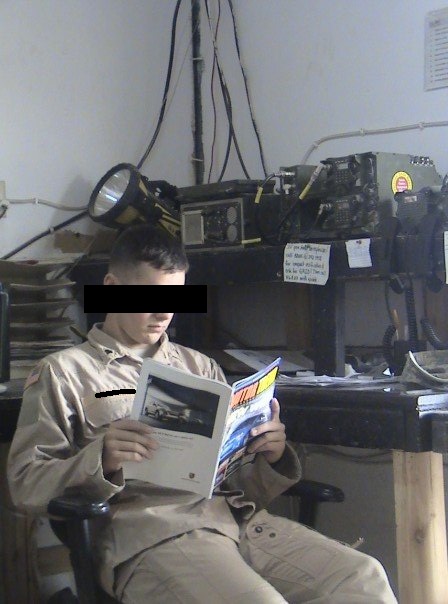



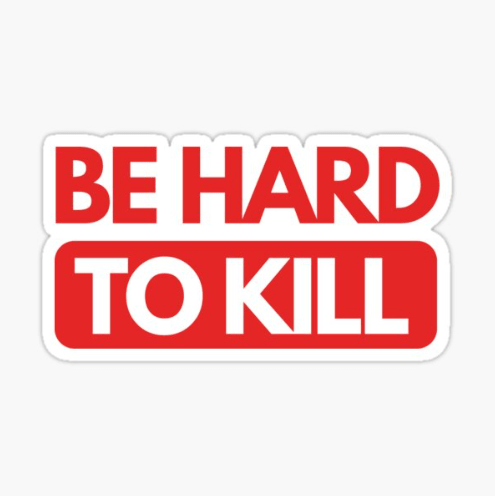


 CPT Cancer
You must be logged in to post a comment.